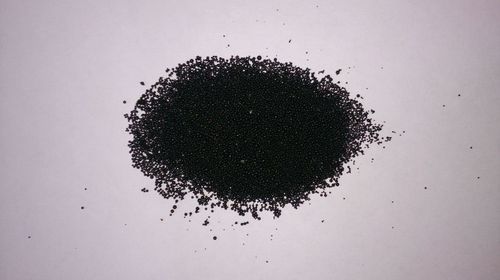
Industrial Microcrystalline Wax

Industrial Microcrystalline Wax

Industrial Microcrystalline Wax Specification

  • Usage & Applications
  • Used in the manufacture of polish, adhesives, cosmetics, rubber, and plastics
  • Shape
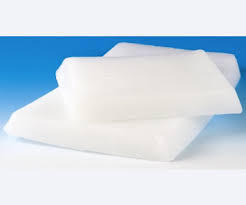
  • Slab/Block
  • Grade
  • Industrial Grade
  • Smell
  • Odorless or Mild Wax Odor
  • Position
  • Refined
  • Acidity
  • Neutral
  • Impurity (%)
  • 0.1%
  • Weight
  • 25 kg (typical packaging)
  • Product Type
  • Microcrystalline Wax
  • Chemical Name
  • Microcrystalline Wax
  • Other Names
  • MC Wax
  • Classification
  • Hydrocarbon Wax
  • Color
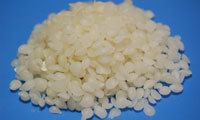
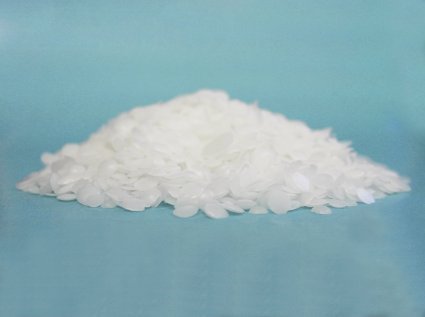
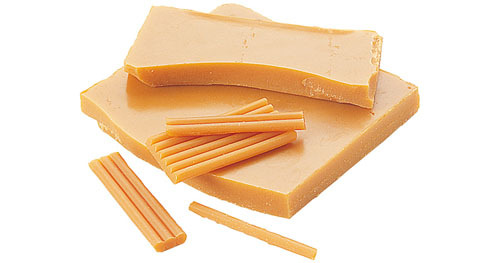
  • White to Light Yellow
  • Form
  • Solid
  • Application
  • Industrial/Lubrication/Coatings/Cosmetics


About Industrial Microcrystalline Wax


Company

Origin

Grade

Packing

Form

Data Sheet

Nippon Seiro

Japan

Himic1080

27Kg

Slabs


SHELL

Holland

LMP

24.800Kg

Slabs


SHELL

Holland

HMP

24.800Kg

Slabs


Sonneborn Inc

U.S.A

W445

27.22Kg

Slabs


Iberceras SA

Spain

2305

24Kg

Slabs


Iberceras SA

Spain

P.E 811

24 KGS

Slabs


Sasol

Germany

3971

25kgs

Slabs


Sasol

Germany

3973

25kgs

Slabs


IGI

U.S.A

5715

30Kg

Slabs


Applications:

Copper Production

Adhesives

Tire Industry

Candles

Coatings for Industrial packaging papers

Copper Industry

Carbon Paper

Chewing gum petroleum jelly

Coatings and lamination for food

Cosmetics

Creams

Dental waxes

Hotmelt - adhesives

Paper - and packaging industry

Precision Casting waxes

Rust preventive compounds

Rust preventives hot melts


Versatile Industrial Applications

Microcrystalline Wax is invaluable across industries such as cosmetics, rubber, plastics, and coatings. Its unique properties, including flexibility and stability, make it a popular choice for manufacturers seeking a high-performance additive to enhance product durability and appearance. The waxs ability to blend with various solvents further expands its usability in specialized formulations.


Performance and Purity

With a neutral acidity and minimal impurities (0.1%), this wax ensures consistent results in precision-demanding applications. Its high flash point and low water content underline its safety and longevity, while refined manufacturing processes provide a clean, odorless product uniquely suited for sensitive uses such as cosmetics and food-contact materials.

FAQs of Industrial Microcrystalline Wax:


Q: How is industrial microcrystalline wax typically used in manufacturing?

A: Industrial microcrystalline wax is primarily utilized as a modifier in formulations for polishes, adhesives, rubber goods, coatings, lubricants, and cosmetic products. Its flexible molecular structure allows it to improve consistency, increase water resistance, and enhance the appearance of finished products.

Q: What makes microcrystalline wax a preferred choice over other types of waxes?

A: Microcrystalline wax stands out for its fine crystalline structure, high melting point, and low oil and water content. These attributes offer better binding, flexibility, and stability compared to other hydrocarbon waxes, making it especially suitable for demanding industrial applications.

Q: When should microcrystalline wax be incorporated into the production process?

A: It is best introduced during the blending or compounding stages, where its solubility in organic solvents ensures optimal dispersion and integration with other raw materials. This timing ensures its functional properties are effectively imparted to the end product.

Q: Where can you source reliable industrial-grade microcrystalline wax in India?

A: Reliable supplies can be obtained from certified distributors, manufacturers, suppliers, and traders throughout India, many of whom specialize in industrial-grade wax for diverse sectors such as cosmetics, automotive, plastics, and adhesives manufacturing.

Q: What process is used to produce refined microcrystalline wax?

A: The manufacturing process involves the purification and de-oiling of crude wax derived from petroleum. This is followed by filtration, solvent dewaxing, and refining steps to yield a high-grade product with low impurities and a consistently neutral pH.

Q: What are the main benefits of using microcrystalline wax in industrial applications?

A: Its chief advantages include improved moisture barrier properties, enhanced texture, superior binding capabilities, and resistance to cracking. These qualities are particularly important in adhesives, protective coatings, and cosmetic products, where longevity and performance are critical.

Q: How should microcrystalline wax be stored for optimal shelf life?

A: Store the wax in a cool, dry environment, away from direct sunlight and moisture. When properly stored in its original 25 kg slab or block packaging, it maintains stability and quality for up to 2 years.

Tell us about your requirement
product

Price:

Quantity
Select Unit

  • 50
  • 100
  • 200
  • 250
  • 500
  • 1000+
Additional detail
Mobile number

Email

More Products in Waxes Category

Paraffin Wax

Paraffin Wax

Smell : Odorless

Chemical Name : Paraffin Wax

Shape : Slab

Product Type : Wax

Color : White

Other Names : Mineral Wax Paraffin

Industrial Candelilla Wax

Industrial Candelilla Wax

Smell : Characteristic waxy odor

Chemical Name : Candelilla Wax

Shape : Thin flakes

Product Type : Wax

Color : Yellow

Other Names : Candelilla wax flakes

Microcrystalline Wax

Microcrystalline Wax

Smell : Odorless or mild petroleum smell

Chemical Name : Microcrystalline Wax

Shape : Slabs and sticks

Product Type : Wax

Color : Yellow

Other Names : Petroleum Wax

Candelilla Wax

Candelilla Wax

Smell : Characteristic, Slight

Chemical Name : Candelilla Wax

Shape : Pastilles/Flakes/Lumps

Product Type : Raw Material

Color : Other, Light Yellow to Brown

Other Names : Euphorbia cerifera wax


Back to top